Best Japanese Serum for Anti-Aging: Ingredients, Routine, and How to Choose
Choose the best Japanese serum for anti-aging by ingredient and skin type, including retinol, vitamin C, tranexamic acid, niacinamide, rice ferment, and hyaluronic acid.

Best Japanese Serum for Anti-Aging: Ingredients, Routine, and How to Choose
A practical guide to choosing the best Japanese serum for anti-aging based on ingredients, skin type, texture, and realistic results.
Japanese skincare is known for elegant textures, hydration-first formulas, gentle layering, and long-term consistency. If you are looking for the best Japanese serum for anti-aging, the smartest approach is to choose by ingredient category rather than brand hype.
Anti-aging skincare cannot stop aging, but the right serum can support hydration, brightness, smoother texture, barrier function, and the look of fine lines. For visible aging, sunscreen is still the most important daily product. Serums work best when paired with sun protection, gentle cleansing, moisturizer, and consistency.
What Makes Japanese Anti-Aging Serums Different?
Many Japanese serums focus on:
- lightweight hydration
- barrier support
- brightening
- fermented ingredients
- elegant layering under sunscreen
- gentle daily use
Compared with some Western anti-aging products, Japanese formulas often feel less aggressive. That can be an advantage if your skin is sensitive or if you prefer gradual improvement over irritation-heavy routines.
The Best Anti-Aging Serum Ingredients to Look For
Retinol and Retinal
Retinoids are among the strongest over-the-counter anti-aging ingredient categories for fine lines, uneven texture, and collagen support.
Best for:
- fine lines
- texture
- visible aging prevention
- dullness
Caution: Retinoids can irritate skin and increase sun sensitivity. Start slowly, moisturize well, and avoid during pregnancy or breastfeeding unless a clinician says otherwise.
Vitamin C
Vitamin C supports brightness, antioxidant protection, and collagen-related pathways.
Best for:
- dullness
- uneven tone
- dark spots
- morning antioxidant support
Japanese vitamin C products often use derivatives that may be gentler than pure L-ascorbic acid, though sometimes less potent.
Niacinamide
🔗 You Might Also Like
Explore more science-backed strategies
Niacinamide supports barrier function, uneven tone, pores, and redness-prone skin.
Best for:
- sensitive skin
- uneven tone
- visible pores
- barrier support
It is one of the easiest anti-aging ingredients to combine with other products.
Tranexamic Acid
Tranexamic acid is commonly used in Japanese brightening skincare and is especially relevant for discoloration and uneven tone.
Best for:
- dark spots
- melasma-prone skin
- post-inflammatory marks
- brightness
Use daily sunscreen with any brightening routine. Pigmentation will not improve consistently if UV exposure keeps triggering it.
Rice Ferment and Sake Extract
Fermented ingredients are common in Japanese skincare and are often used for hydration, brightness, and skin softness.
Best for:
- dull skin
- dryness
- texture support
- glow
These are supportive ingredients rather than aggressive wrinkle treatments.
Hyaluronic Acid
🔗 You Might Also Like
Explore more science-backed strategies
Hyaluronic acid supports hydration and temporary plumping.
Best for:
- dehydration lines
- dry skin
- layering
- instant glow
Apply to slightly damp skin and seal with moisturizer.
🔗 You Might Also Like
Explore more science-backed strategies

Best Japanese Skincare Products for Anti-Aging: A Complete Guide to J-Beauty
Discover the most effective Japanese skincare products and techniques for anti-aging, from innovative ingredients to time-tested beauty rituals.
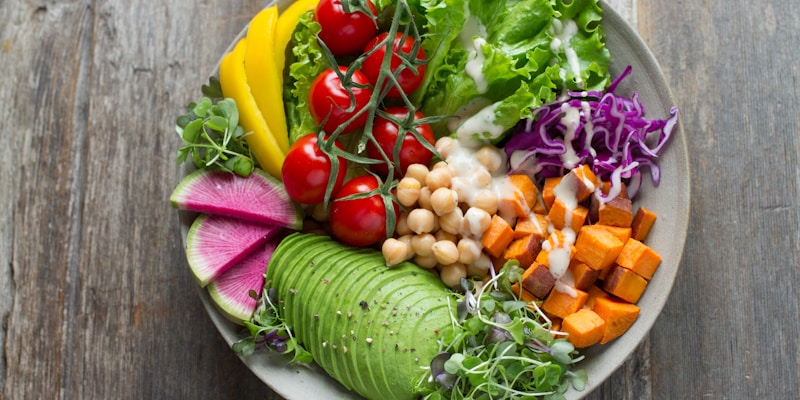
25 Best Anti-Aging Foods to Add to Your Diet Now
Discover the most powerful anti-aging foods backed by science that can slow aging and promote longevity.
Best Japanese Serum Types by Skin Goal
Best for Fine Lines
Choose a Japanese retinol or retinal serum if your skin tolerates active ingredients.
Look for:
- retinol, retinal, or retinyl derivatives
- moisturizing support ingredients
- fragrance-free or low-irritation formulas if sensitive
Use at night and start 2-3 times per week.
Best for Dark Spots and Uneven Tone
🔗 You Might Also Like
Explore more science-backed strategies
Choose vitamin C, tranexamic acid, niacinamide, or arbutin-based formulas.
Look for:
- vitamin C derivatives
- tranexamic acid
- niacinamide
- licorice root
- arbutin
Use sunscreen daily or brightening results will be limited.
Best for Dry or Dehydrated Skin
Choose hydrating essence-serum hybrids.
Look for:
- hyaluronic acid
- ceramides
- amino acids
- rice ferment
- glycerin
These will not replace retinoids for wrinkles, but they can make skin look smoother by improving hydration.
Best for Sensitive Skin
Choose barrier-first serums with niacinamide, ceramides, panthenol, amino acids, and low fragrance.
Avoid starting with high-strength retinoids or strong acids if your skin barrier is already irritated.
Japanese Serum Routine for Anti-Aging
🔗 You Might Also Like
Explore more science-backed strategies
Morning
- Gentle cleanse or rinse.
- Hydrating toner or essence.
- Vitamin C, niacinamide, or tranexamic acid serum.
- Moisturizer if needed.
- Broad-spectrum sunscreen.
Evening
- Cleanse.
- Hydrating toner or essence.
- Retinol or hydrating serum.
- Moisturizer.
Do not start vitamin C, retinol, exfoliating acids, and brightening serums all at once. Add one active product at a time.
How to Choose the Best Japanese Serum for Your Skin Type
🔗 You Might Also Like
Explore more science-backed strategies
Oily or Acne-Prone Skin
Look for:
- lightweight gel texture
- niacinamide
- vitamin C derivatives
- non-comedogenic feel
Avoid heavy layering if it causes congestion.
Dry Skin
Look for:
- hyaluronic acid
- rice ferment
- ceramides
- glycerin
- richer follow-up moisturizer
Dry skin often needs a serum plus moisturizer, not serum alone.
Sensitive Skin
🔗 You Might Also Like
Explore more science-backed strategies
Look for:
- niacinamide
- panthenol
- ceramides
- fragrance-free formulas
- lower-strength actives
Patch test first.
Mature Skin
Look for:
- retinol or retinal if tolerated
- vitamin C
- peptides
- ceramides
- tranexamic acid for spots
Mature skin often benefits from alternating active nights with recovery nights.
Common Mistakes
Mistake 1: Skipping Sunscreen
🔗 You Might Also Like
Explore more science-backed strategies
No anti-aging serum can outperform daily UV protection. Sunscreen is the foundation.
Mistake 2: Using Too Many Actives
More products can mean more irritation. Irritated skin often looks older, not younger.
Mistake 3: Expecting Overnight Results
Hydration can improve quickly. Fine lines, spots, and texture usually require 8-12 weeks or longer.
Mistake 4: Ignoring Texture
🔗 You Might Also Like
Explore more science-backed strategies
The best serum is one you actually use. Japanese skincare excels at lightweight textures, so choose a formula that fits your climate and routine.
Ingredient Pairing Guide
Good morning pairings:
- vitamin C + sunscreen
- niacinamide + sunscreen
- tranexamic acid + sunscreen
- hydrating serum + sunscreen
Good evening pairings:
- retinol + moisturizer
- hyaluronic acid + moisturizer
- niacinamide + retinol if tolerated
- ceramides + any active
Use carefully:
- retinol + strong exfoliating acids
- multiple brightening acids at once
- high-strength actives on sensitive skin
FAQ
What is the best Japanese serum for anti-aging?
🔗 You Might Also Like
Explore more science-backed strategies
The best choice depends on your goal. For fine lines, look for retinol or retinal. For dark spots, look for vitamin C, tranexamic acid, or niacinamide. For dryness, choose hyaluronic acid, rice ferment, and ceramides.
Are Japanese serums good for mature skin?
Yes. Japanese serums can be excellent for mature skin because many combine hydration, barrier support, brightening, and elegant textures that work well in layered routines.
Is Japanese vitamin C serum good for anti-aging?
Vitamin C can support brightness and antioxidant protection. Japanese vitamin C products often use gentler derivatives, which may suit sensitive skin better than stronger formulas.
Can I use Japanese serum with retinol?
🔗 You Might Also Like
Explore more science-backed strategies
Yes, but introduce retinol slowly and pair it with moisturizer. Avoid combining too many strong actives on the same night.
How long does an anti-aging serum take to work?
Hydration can improve within days. Brightness, dark spots, texture, and fine lines usually need consistent use for 8-12 weeks or longer.
Bottom Line
The best Japanese serum for anti-aging is the one that matches your skin goal: retinoids for fine lines, vitamin C and tranexamic acid for brightness, niacinamide for barrier and tone, and hyaluronic acid or rice ferment for hydration. Keep the routine simple, wear sunscreen daily, and judge results over months rather than days.
Sources
- American Academy of Dermatology: 11 ways to reduce premature skin aging
- American Academy of Dermatology: How to select anti-aging skin care products
- American Academy of Dermatology: Sunscreen FAQs
Tags
SunlitHappiness Team
Our team synthesizes insights from leading health experts, bestselling books, and established research to bring you practical strategies for better health and happiness. All content is based on proven principles from respected authorities in each field.
Join Your Happiness Journey
Join thousands of readers getting science-backed tips for better health and happiness.