Anti-Aging Supplement Regimen: An Evidence-Based Stack by Age and Goal
Build a practical anti-aging supplement regimen with targeted support for skin, energy, muscle, cognition, and longevity while avoiding oversized stacks and unsafe claims.
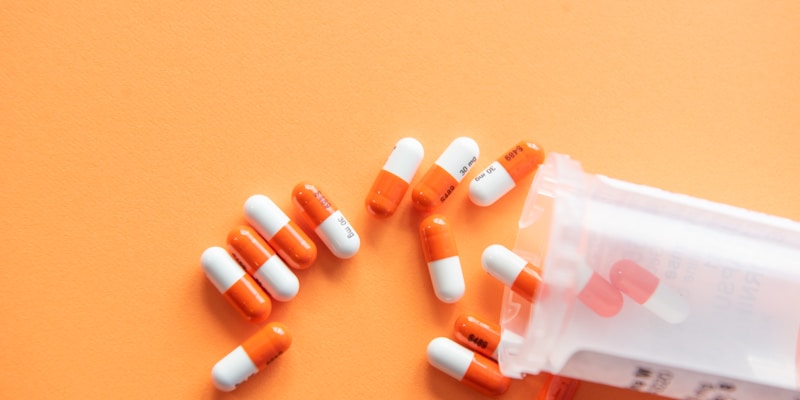
Anti-Aging Supplement Regimen: An Evidence-Based Stack by Age and Goal
A practical anti-aging supplement regimen for healthy adults who want to support energy, skin, muscle, metabolism, and long-term health without building an oversized stack.
Anti-aging supplements are easy to overcomplicate. The best regimen is not the longest list of capsules. It is a targeted plan that fills real gaps, supports your current health goals, and does not create unnecessary risk.
This guide is educational and is not medical advice. Supplements can interact with medications, surgery, pregnancy, kidney disease, liver disease, cancer treatment, blood thinners, psychiatric medication, and chronic health conditions. Work with a qualified clinician before starting a new regimen, especially if you use prescription medication or high-dose supplements.
The Anti-Aging Supplement Hierarchy
Before choosing a stack, use this order:
- Lifestyle foundation: sleep, strength training, aerobic fitness, protein, fiber, sunlight, stress management.
- Deficiency correction: vitamin D, B12, iron, magnesium, omega-3s, or other nutrients only when intake or labs suggest a gap.
- Goal-based support: skin, joint health, muscle, cognition, glucose control, or sleep.
- Longevity experiments: NAD+ precursors, spermidine, fisetin, or other emerging compounds only after understanding the uncertainty.
If your sleep is poor, your training is inconsistent, and your diet is low in protein, a supplement regimen will have a limited effect.
Core Anti-Aging Supplements With Practical Use Cases
Vitamin D
Vitamin D supports bone health, immune function, muscle function, and overall health. It is most useful when blood levels are low or sun exposure is limited.
Best for:
- low sun exposure
- confirmed low vitamin D
- older adults at risk of bone loss
- winter months or high-latitude climates
Caution: More is not automatically better. High-dose vitamin D can create problems, especially without monitoring.
Omega-3s
Omega-3 fatty acids support cardiovascular health, inflammation balance, and brain health. Food sources like salmon, sardines, trout, and mackerel are ideal, but supplements can help when fish intake is low.
Best for:
- low fatty fish intake
- heart and brain health support
- inflammation-aware nutrition plans
Caution: Check with a clinician if you take blood thinners, have surgery planned, or use high doses.
Magnesium
🔗 You Might Also Like
Explore more science-backed strategies
Magnesium is involved in hundreds of processes related to muscle, nervous system regulation, sleep, and glucose metabolism.
Best for:
- low dietary magnesium
- muscle tension
- sleep support
- people who eat few legumes, nuts, seeds, and leafy greens
Caution: People with kidney disease should not supplement magnesium without medical guidance.
Creatine
Creatine is one of the most useful healthy-aging supplements because it supports strength, power, lean mass, and possibly cognitive resilience.
Best for:
- resistance training
- preserving muscle with age
- vegetarian or low-meat diets
- strength and functional longevity
Creatine is not only for bodybuilders. Muscle and strength are anti-aging assets.
Protein Powder
Protein powder is not magic, but it is useful when whole-food protein is hard to reach.
Best for:
- busy adults
- older adults with low appetite
- muscle maintenance
- post-workout convenience
Think of protein powder as food convenience, not a longevity drug.
Skin and Collagen Support
🔗 You Might Also Like
Explore more science-backed strategies
Collagen Peptides
Collagen peptides may support skin elasticity and joint comfort for some people when used consistently. They work best alongside adequate total protein and vitamin C-rich foods.
Best for:
- skin elasticity support
- joint comfort
- people with low protein intake
Reality check: Collagen does not replace sunscreen, retinoids, sleep, or adequate protein.
Vitamin C
Vitamin C supports collagen synthesis and antioxidant defense. Most people should prioritize food sources first: citrus, kiwi, berries, peppers, broccoli, and leafy greens.
🔗 You Might Also Like
Explore more science-backed strategies

NMN vs. Resveratrol: Which Supplement Works Best for Aging?
Compare NMN and resveratrol supplements head-to-head. Learn which anti-aging supplement is right for you based on the latest research.

The Ultimate Anti-Aging Supplement Stack: Evidence-Based Longevity Protocol for 2024
A comprehensive guide to the most effective anti-aging supplements backed by 2024 research, including optimal dosing, timing, and synergistic combinations.
Best for:
- low fruit and vegetable intake
- collagen support
- general nutrient sufficiency
High-dose vitamin C is not necessary for most people.
Cognitive and Energy Support
🔗 You Might Also Like
Explore more science-backed strategies
Creatine
Creatine belongs here too because the brain uses energy aggressively. It may be especially relevant during sleep loss, aging, or low dietary creatine intake.
B12
B12 matters for nerve function, red blood cells, and cognitive health. Supplementation is most relevant for vegans, vegetarians, older adults, people with absorption issues, and those taking certain medications.
Best for:
- vegan or vegetarian diets
- low B12 labs
- absorption concerns
- older adults under clinician guidance
CoQ10
🔗 You Might Also Like
Explore more science-backed strategies
CoQ10 is involved in mitochondrial energy production and is often discussed for heart health and statin-associated muscle symptoms.
Best for:
- adults interested in mitochondrial support
- people using statins, with clinician guidance
- cardiovascular wellness plans
Evidence and use cases vary, so it is better as targeted support than a universal requirement.
Emerging Longevity Supplements
These are popular, but the human evidence is still developing.
NAD+ Precursors: NR and NMN
NAD+ biology is important for cellular energy and aging pathways. NR and NMN are used to support NAD+ levels, but long-term anti-aging outcomes in humans are not settled.
Best for:
- cautious self-experimenters
- people tracking energy, sleep, labs, and side effects
- those who understand the uncertainty
Caution: Do not treat NAD+ precursors as proven age-reversal supplements.
Spermidine
🔗 You Might Also Like
Explore more science-backed strategies
Spermidine is discussed for autophagy and cellular renewal. Food sources include wheat germ, legumes, mushrooms, and aged cheese.
Best for:
- food-first longevity nutrition
- people interested in autophagy pathways
Fisetin
Fisetin is often discussed as a senolytic compound, but the practical human anti-aging evidence is still emerging.
Best for:
- research-aware users
- clinician-supervised protocols
Avoid aggressive high-dose protocols without professional guidance.
Anti-Aging Supplement Regimen by Age
In Your 30s
🔗 You Might Also Like
Explore more science-backed strategies
Focus on prevention and performance.
Core stack to consider:
- vitamin D if low
- omega-3 if fish intake is low
- magnesium if intake is low or sleep is poor
- creatine if training
- protein powder if protein is hard to reach
Prioritize sunscreen, strength training, sleep, and metabolic health.
In Your 40s
Focus on muscle, recovery, hormones, skin, and metabolic resilience.
Core stack to consider:
- creatine
- protein support
- vitamin D based on labs
- omega-3 if intake is low
- magnesium
- collagen peptides if skin or joint support is a goal
This is also a good decade to track blood pressure, lipids, A1C, vitamin D, B12, ferritin when appropriate, and body composition.
In Your 50s and Beyond
Focus on muscle preservation, bone health, cardiovascular health, cognition, and medication safety.
Core stack to consider with clinician input:
- vitamin D if low
- omega-3 if appropriate
- creatine
- protein support
- magnesium only if safe
- B12 if low or at risk
- calcium only if diet is insufficient and clinician agrees
At this stage, supplement interactions matter more. Bring your full supplement list to medical appointments.
Goal-Based Anti-Aging Stacks
🔗 You Might Also Like
Explore more science-backed strategies
For Skin Aging
Start with:
- sunscreen
- retinoid or retinol if tolerated
- vitamin C-rich foods
- collagen peptides if useful
- omega-3 sufficiency
- sleep optimization
For Energy
Start with:
- sleep
- protein
- hydration
- vitamin D or B12 correction if low
- creatine
- CoQ10 if targeted
For Muscle and Strength
🔗 You Might Also Like
Explore more science-backed strategies
Start with:
- protein
- creatine
- vitamin D if low
- omega-3 if intake is low
- progressive resistance training
For Brain Health
Start with:
- sleep
- exercise
- omega-3 intake
- B12 sufficiency
- creatine
- blood pressure and glucose management
What to Avoid
Avoid:
- mega-stacks with 20+ ingredients
- proprietary blends with unclear doses
- high-dose fat-soluble vitamins without labs
- buying supplements from brands without third-party testing
- taking multiple stimulants for "anti-aging energy"
- adding supplements to treat symptoms that need medical evaluation
More supplements can mean more interactions, more cost, and less clarity.
How to Build Your Regimen
🔗 You Might Also Like
Explore more science-backed strategies
Use this process:
- Choose one goal.
- Review diet and lifestyle gaps.
- Check relevant labs when appropriate.
- Add one supplement at a time.
- Track sleep, energy, digestion, mood, training, and side effects.
- Reassess after 4-8 weeks.
If you cannot tell whether a supplement helps, it may not belong in your stack.
FAQ
What is the best anti-aging supplement regimen?
For most adults, the best regimen starts with vitamin D if low, omega-3 if fish intake is low, magnesium if intake is low and safe, creatine for muscle and performance, and protein support if needed.
What anti-aging supplements should I take in my 40s?
🔗 You Might Also Like
Explore more science-backed strategies
Many people in their 40s benefit most from creatine, protein support, vitamin D based on labs, omega-3s if intake is low, magnesium if appropriate, and collagen peptides for skin or joint goals.
Are NAD+ supplements worth it?
NR and NMN are interesting but not proven age-reversal supplements. They may be reasonable experiments for some people, but they should not replace sleep, exercise, nutrition, and medical risk management.
Can supplements reverse aging?
No supplement has been proven to broadly reverse human aging. Supplements can support specific systems, correct deficiencies, and complement healthy habits.
How many supplements are too many?
🔗 You Might Also Like
Explore more science-backed strategies
If your stack is hard to explain, hard to track, or includes many overlapping ingredients, it is probably too complex.
Bottom Line
The best anti-aging supplement regimen is targeted, boring, and measurable. Correct deficiencies, support muscle and metabolic health, use skin and cognition supplements for specific goals, and be cautious with emerging longevity compounds. A smaller stack you can use consistently is better than an impressive shelf of pills you cannot evaluate.
Sources
- NIH Office of Dietary Supplements: Vitamin D Fact Sheet for Health Professionals
- NIH Office of Dietary Supplements: Omega-3 Fatty Acids Fact Sheet for Health Professionals
- NIH Office of Dietary Supplements: Magnesium Fact Sheet for Health Professionals
- Journal of the International Society of Sports Nutrition: Creatine supplementation position stand
Tags
SunlitHappiness Team
Our team synthesizes insights from leading health experts, bestselling books, and established research to bring you practical strategies for better health and happiness. All content is based on proven principles from respected authorities in each field.
Join Your Happiness Journey
Join thousands of readers getting science-backed tips for better health and happiness.